

Influencer Culture Is Killing Art — And We’re Letting It Happen
Somewhere along the way, the creative world got hijacked. What used to be a space for exploration, risk, and genuine expression has been flattened into a conveyor belt of brand-safe poses and algorithm-approved aesthetics. Kids aren’t chasing their own voices anymore—they’re chasing sponsorships. They’re chasing the illusion of relevance. They’re chasing the same ten poses, the same ten outfits, the same ten “authentic” captions that every other aspiring influencer is posting.
And I’ve watched it happen up close.
I used to photograph dance—real movement, real emotion, real bodies telling stories. I was drawn to the unpredictability of it, the way a dancer’s instinct could spark a moment you could never recreate. But somewhere along the line, I stopped being hired for my eye or my ability to capture that spark. I was hired to be a content machine.
Suddenly, every shoot felt like déjà vu. The same sad, overused poses. The same “candid” expressions that weren’t candid at all. The same Pinterest boards recycled so many times they’d lost all meaning. It was a copy‑paste lifestyle, one after another, until it started to feel like it was stealing my soul.
But the truth is, it was stealing theirs too.
These kids weren’t thinking for themselves anymore. They weren’t experimenting, failing, discovering, or creating. They were recreating—verbatim. They’d scroll, screenshot, mimic, tag the brand, and wait for validation. And if I dared suggest something different, something weird or raw or actually expressive, I’d get the same nervous look: “But that’s not what the brand wants.”
Parents were pouring money into this system—outfit after outfit, brand‑approved looks, endless model calls. Weekends weren’t spent in studios learning technique or exploring creativity; they were spent in front of cameras, chasing the hope that a brand might notice their kid. And the camera time wasn’t even creative. It was the same poses, every single time, like a script everyone had memorized.
Here’s the irony that still makes me laugh: the kids the brands actually chose weren’t the copy‑pasters. They were the ones creating. The ones who didn’t care about the formula. The ones who weren’t trying to be influencers at all.
Influencer culture has convinced an entire generation that the safest path to success is imitation. But the only people who actually break through are the ones who refuse to play that game.
And to be clear—there’s nothing wrong with shooting for a brand. But staying authentic matters. When you book a photographer, you should be creating something that’s yours, not recreating someone else’s formula. Ironically, that’s exactly what brands appreciate most: originality.
Art dies when we stop taking risks. Creativity dies when we stop thinking for ourselves. And right now, influencer culture is teaching young artists to trade their originality for a template.
But here’s the part that gives me hope: templates get boring. Algorithms shift. Audiences crave something real eventually. And when they do, the artists who stayed true to themselves—the ones who kept creating instead of copying—will be the ones left standing.
Maybe the antidote to influencer culture isn’t to fight it. Maybe it’s simply to outgrow it.
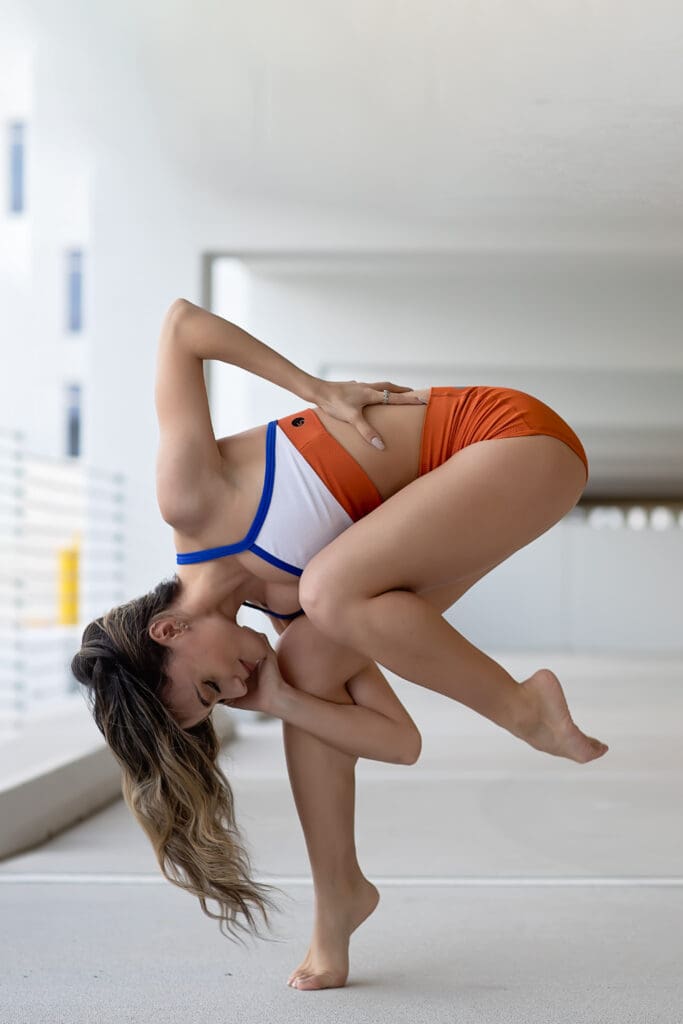
I’ve included an old photo—one created long before everything became about brands and algorithms. The dancer and I were simply exploring, shape after shape, falling, failing, laughing, trying again… until this moment happened. We both felt it instantly. It was posted. It was celebrated. And then it was copied.
But no copy ever captured what this image held, because you can’t steal what was born from a real creative process. The outfit may have belonged to the brand, but the brand was never the point. The dancer was the focus. The movement was the focus. The process was the focus.

Somewhere in a Lake Nona parking garage long long ago….🫶🏼